
November 10, 2026
Classroom Reward Ideas: 60 Free Rewards Students Actually Want
The best classroom rewards cost little or nothing. When students choose their own reward, their two favorites are a
small gift from the teacher (a sticker or a piece of candy will do) and choosing where to sit, which is free.
Privileges, choices, responsibilities and recognition never run out, and they work at every age.
I don't have to guess at this. I make ClassMana, a classroom game in which students earn
rewards and spend them on privileges, so I can look at what students in 929 classrooms actually picked. I'll start with
that data, and then give you 60 ideas sorted by age, including ones a fifteen-year-old won't roll their eyes at.
Don't worry, you don't need ClassMana for any of this. Every idea in this post works just as well with a jar, a chart
or a spreadsheet.
What makes a classroom reward work
A great reward handed out the wrong way does nothing. So before the lists, five rules:
- Students have to want it. Sounds obvious, but most reward lists (this one included, I'm afraid) are written by adults. Ask your class. A five-minute vote at the start of the year beats any list.
- It comes soon after the behavior. A reward on Friday for something a student did on Monday is a weak signal, especially for younger students. By Friday, they've forgotten what it was for.
- It's tied to something specific. "Great job helping Sam with his fractions" teaches more than "good job today". The first one tells the student what to do again.
- It's free or cheap. If you have to buy prizes, the system stops when the budget runs out. Privileges, choices and responsibilities cost nothing, so you can keep them going all year.
- It's never taken back. A reward a student has earned stays earned. Deal with misbehavior separately, or your reward system quietly turns into a punishment system.
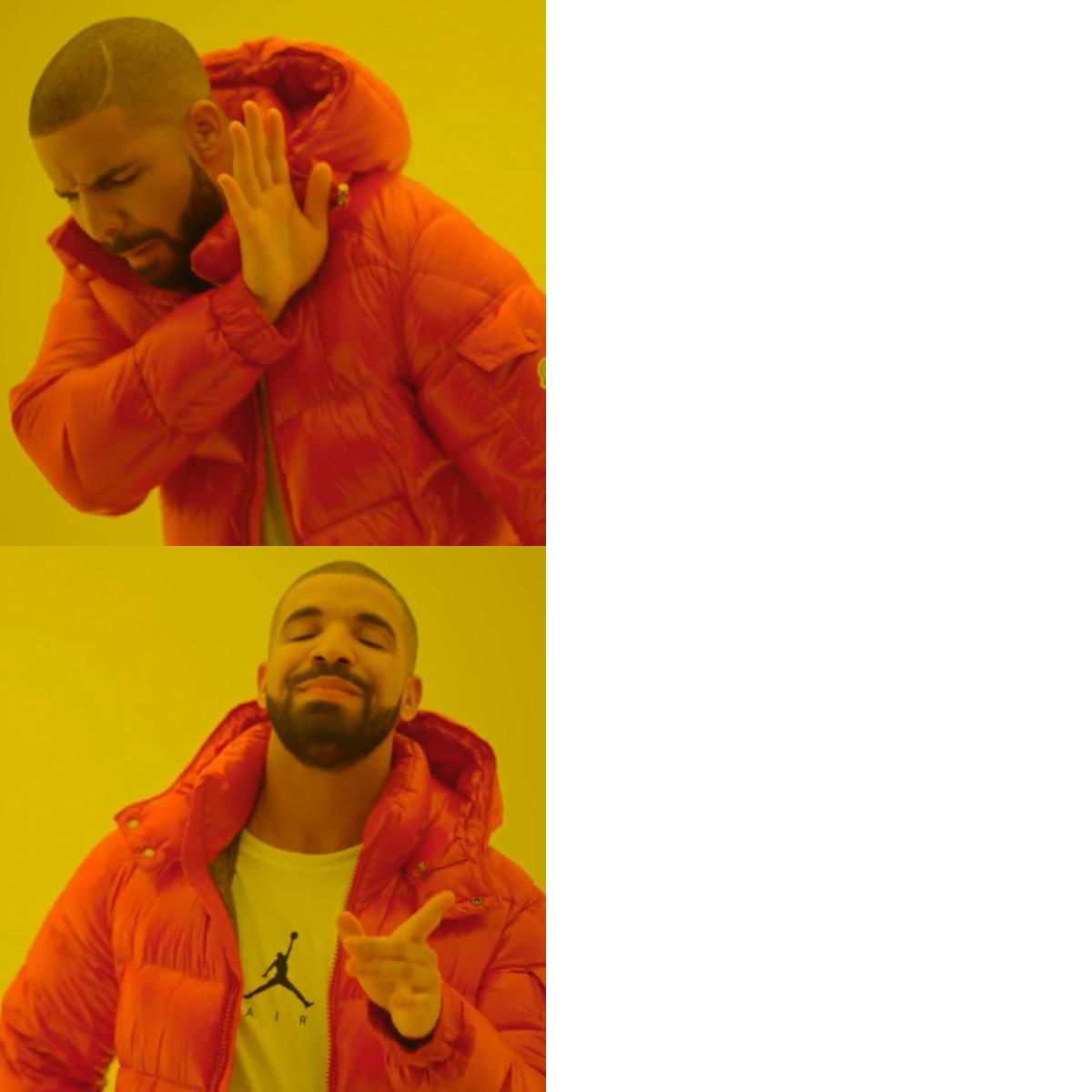
Guessing which rewards my students want
Asking them
What students actually pick: data from 929 classrooms
Most reward lists tell you what teachers think students want. Let's look at what students choose when they get the
choice.
First, let me explain how it works. In ClassMana, students earn mana and spend it on powers: privileges their
teacher sets up, like changing seats or getting a hint. Every new class starts with the same ten powers, which makes for
a fair comparison. I took the 929 classes where students used powers at least 10 times (March 2025 to November 2026) and
counted two things for each power: in how many of the classes that offer it students actually used it, and how often.
| Power (privilege) | Used in % of classes that offer it | Uses per class |
|---|---|---|
| Receive a small gift from the teacher | 74% | 16 |
| Change your seat | 72% | 11 |
| Can drink in class | 47% | 3.6 |
| Get an extra day for an assignment | 43% | 2.9 |
| Get a hint to a question | 41% | 3.2 |
| 5 minutes to do whatever you want, as long as it's quiet | 41% | 2.4 |
| Work with a partner on an individual assignment | 35% | 2.5 |
| Choose not to answer a question | 28% | 1.7 |
| Create a bonus question on the quiz | 16% | 0.8 |
| Choose your order in a presentation | 14% | 0.7 |
Two rewards beat everything else. A small gift from the teacher and changing seats are used in nearly three out of four
classes that offer them, and three to four times as often as any other power. If you only offer two rewards, offer
these.
Next come the everyday perks. Drinking in class, an extra day, a hint and five minutes of free time are each used in
about four in ten classes. Choosing your presentation slot sounds nice, but most weeks there's no presentation, so
students have nothing to spend it on.
The powers teachers add themselves point the same way. Among the custom powers that students use in the most classes:
eating in class, a snack, candy, chocolate or a sticker, listening to music with earphones, sitting on the sofa,
swapping seats for the day, and random prizes like spinning a wheel, a prize bag or a mystery coupon.
In the class shop, where students spend gold, at least half of the 67,280 purchases are in-game items: the Scroll of
Experience, the Mana Flask and the health potions that come with the shop. The real-world items teachers add most are
candy, stickers, snacks, pencils and erasers. And in 15 classes, students saved up for a handshake with the teacher.
Yes, really.

A handshake with the teacher
Students
The candy and stickers I bought for the class shop
How I counted: aggregated counts from ClassMana's activity log, without looking at individual students or classes.
Powers that teachers renamed or deleted aren't in the table, and a power used by several classes that share one setup
counts once.
Free classroom rewards by type
Most free rewards fall into five types. Mix them, because not every student cares about the same thing: the student who
would do anything to pick the class music might not care at all about being line leader.
| Type | What students get | Examples |
|---|---|---|
| Privilege | Something they're normally not allowed | Choose your seat, drink in class, use a pen on a test |
| Choice | A say in how class runs | Pick the review game, choose the class music |
| Responsibility | A role that shows trust | Line leader, tech helper, run the timer |
| Recognition | Being seen for what they did | Positive note home, shout-out, student of the week |
| Time | Time that belongs to them | Five minutes of free time, first to leave for lunch |
Classroom reward ideas for elementary school
Younger students love responsibility and recognition, and they want the reward now, not on Friday. For a seven-year-old,
being line leader is a big deal.
- Be the line leader for a day
- Sit at the teacher's desk for a lesson
- Choose a seat (or a beanbag, or the floor) for the day
- Be the teacher's helper: hand out papers, collect books
- Pick the read-aloud book
- Show-and-tell slot on Friday
- Lunch with the teacher (or with a friend in the classroom)
- Take a class stuffed animal or mascot home for the weekend
- Wear a hat, a crown or slippers in class for a day
- Use the teacher's special pens or markers, the ones nobody else may touch
- A positive note or phone call home
- Choose the brain break or the movement song
- Be the first to choose a center or a game
- Read to a younger class
- Add a sticker to a class chart that leads to a whole-class reward
Sylvain Marcoux teaches 6th grade in Quebec. His students spend the gold they earn on privileges the class agreed on
together. Here's what they buy, from his interview:

Sylvain Marcoux
…a week without homework, choosing their seat with a friend, coming to school in pajamas, an extra recess, chewing gum
in class, being the first to choose their seat in the library, or a responsibility—or even,
the most legendary: skipping an exam question.
Classroom reward ideas for middle school
Middle schoolers care about two things: autonomy and their friends. Praise some of them in front of the class and they
want to disappear into the floor, so keep recognition private. Rewards they can share with a friend work better than
solo prizes.

Me: praises a 13-year-old in front of the whole class
The 13-year-old:
- Sit with a friend for the period
- Choose a partner for the next project
- Listen to music with headphones during independent work
- Pick the review game (Kahoot, Blooket, a quiz show)
- Be the "teacher" for a warm-up or a review question
- A homework pass for one assignment
- One extra day on an assignment
- Ask for one hint on a test
- Skip one question on a worksheet
- Five minutes of free time at the end of the period, as long as it's quiet
- Choose the order of presentations
- Run the timer or the random name picker
- A private positive note on their work or a message home
- Pick the music for the last five minutes
- Keep a water bottle on the desk during class
Classroom reward ideas for high school
Teenagers want time, flexibility and some academic breathing room. Anything that looks childish backfires. One way to
check is to ask whether an adult would want the same reward at work. Most adults would love an extra day on a deadline.
Few would get excited about a gold star.
- A late pass for one assignment
- Drop the lowest homework grade
- A notes card (an index card of notes) for a test
- Retake one quiz question
- Phone time during the last five minutes
- Work with a partner on an individual assignment
- Choose the seat for the week
- Write a bonus question for the next quiz
- Choose the topic or format of an assignment (essay, video, slides)
- First pick of presentation slot
- Leave a minute early for lunch (if your school allows it)
- Use their own device for one task
- A positive email to a parent or coach
- Choose the discussion question
- Five minutes to do whatever they want, as long as it's quiet
Whole-class reward ideas
Whole-class rewards build a team feeling: everyone works toward the same goal and nobody wins alone. Use them for habits
that belong to the whole class, like transitions, noise level and homework completion.
- Extra recess or a longer break
- A movie or documentary afternoon
- A game period: the class picks the game
- Class outside on a nice day
- Pajama day or hat day
- Music during work time for a week
- Eat lunch together outside or in the classroom
- Teacher does something silly: wears a costume, sings, gets a pie in the face
- A "no homework" night
- Choose the next class novel or topic
- Board-game afternoon
- Class gets to rearrange the desks for a week
- Dance party or karaoke for ten minutes
- A boss battle or class challenge against the teacher
- Unlock a new class privilege that stays for the rest of the year
Whole-class reward systems that keep it going
A whole-class reward needs a goal the class can see. These systems give them something to watch fill up:
- Marble jar: add a marble for every good moment. When the jar is full, the class gets the reward.
- Mystery word: for every good day, reveal one letter of a hidden word ("RECESS", "MOVIE"). Students try to guess the reward as it fills.
- Class vs. teacher: a two-column scoreboard on the board. The class gets a point for good behavior, the teacher gets one when things go wrong. First to 20 decides the reward.
- Class goal bar: a progress bar toward a goal the class voted on.
- Mystery student: secretly pick one student at the start of the lesson. If that student meets the expectation, the whole class earns a point, and you reveal who it was.
Never let one student's behavior cost the whole class a reward they had almost earned. That's a quick way to turn one
student into the enemy of everyone else. Points can stop coming in, but points already earned stay.

Liam talked, so nobody gets the movie afternoon
But the class keeps the points they already earned, right?
Right?
Five classroom reward systems compared
Individual rewards need a system around them, so students know how to earn and what it leads to. Here are the five most
common, with an honest note on where each one goes wrong:
| System | How it works | Best for | Watch out for |
|---|---|---|---|
| Instant rewards | You hand out a privilege on the spot | Small classes, younger students | Inconsistency: you forget who got what |
| Points or tickets | Students collect points, then trade them in | All ages | Bookkeeping by hand |
| Raffle | Every ticket earned goes into a weekly draw | Elementary, cheap prizes | Students who rarely win stop trying |
| Classroom economy | Students earn a currency and shop in a class store | Grade 2 and up, financial literacy | Setup time; see our classroom economy guide |
| Classroom game | Students earn points that level up a character and unlock privileges | Middle and high school, long-term motivation | Needs an app or a lot of paper |
For school-wide behavior programs (PBIS), points usually go into one shared system across classrooms. Our
PBIS reward apps comparison covers the tools.
How to keep a reward system working all year
Most reward systems are dead by winter. Usually not because the idea was bad, but for the same few boring reasons.
Here's how to fix each one:
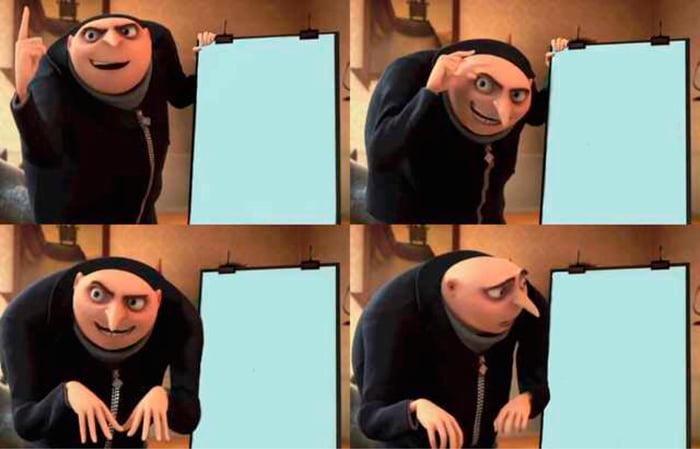
Start a reward system in September
Students love it
Get too busy to hand out points in November
Get too busy to hand out points in November
- Make the first reward easy to reach. If the first privilege takes a month, half the class gives up. Every student should be able to earn something in the first week.
- Build a ladder. Small rewards that are quick to earn, medium ones for a week or two of effort, and one or two big ones the class talks about. The big ones give students a reason to save.
- Add surprise. Predictable rewards get boring. A mystery reward, a random bonus day or a surprise event keeps students curious.
- Refresh the list. Ask the class every few months which rewards they want. Retire the ones nobody uses.
- Reward the quiet students too. Rewards drift toward the loudest students. Look for the student who always shows up prepared and never asks for attention.
- Keep it fast. If a reward takes you more than a few seconds during the lesson, you'll stop doing it in a busy week. A reward system only helps if you still use it in the week before report cards.
- Move from prizes to privileges. If you started with stickers or candy, swap them gradually for privileges and responsibilities. Students still have something to earn, and you no longer have to buy anything.
How classroom rewards work in ClassMana
This is the part where I tell you about the thing I make, so feel free to skip ahead to the FAQ.
In ClassMana, rewards are part of a classroom game. When you reward a student, they earn Experience, which levels up
their avatar. Every 1000 Experience is a new level, and every level gives the student mana. Students spend mana on
powers: the privileges from the lists above.
- Rewards: a class starts with ten behaviors to reward, like "Arrive on time and be ready to learn", "Help other students" and "Ask an insightful question". You change the text and the points, and reward one student, several students or the whole class at once.
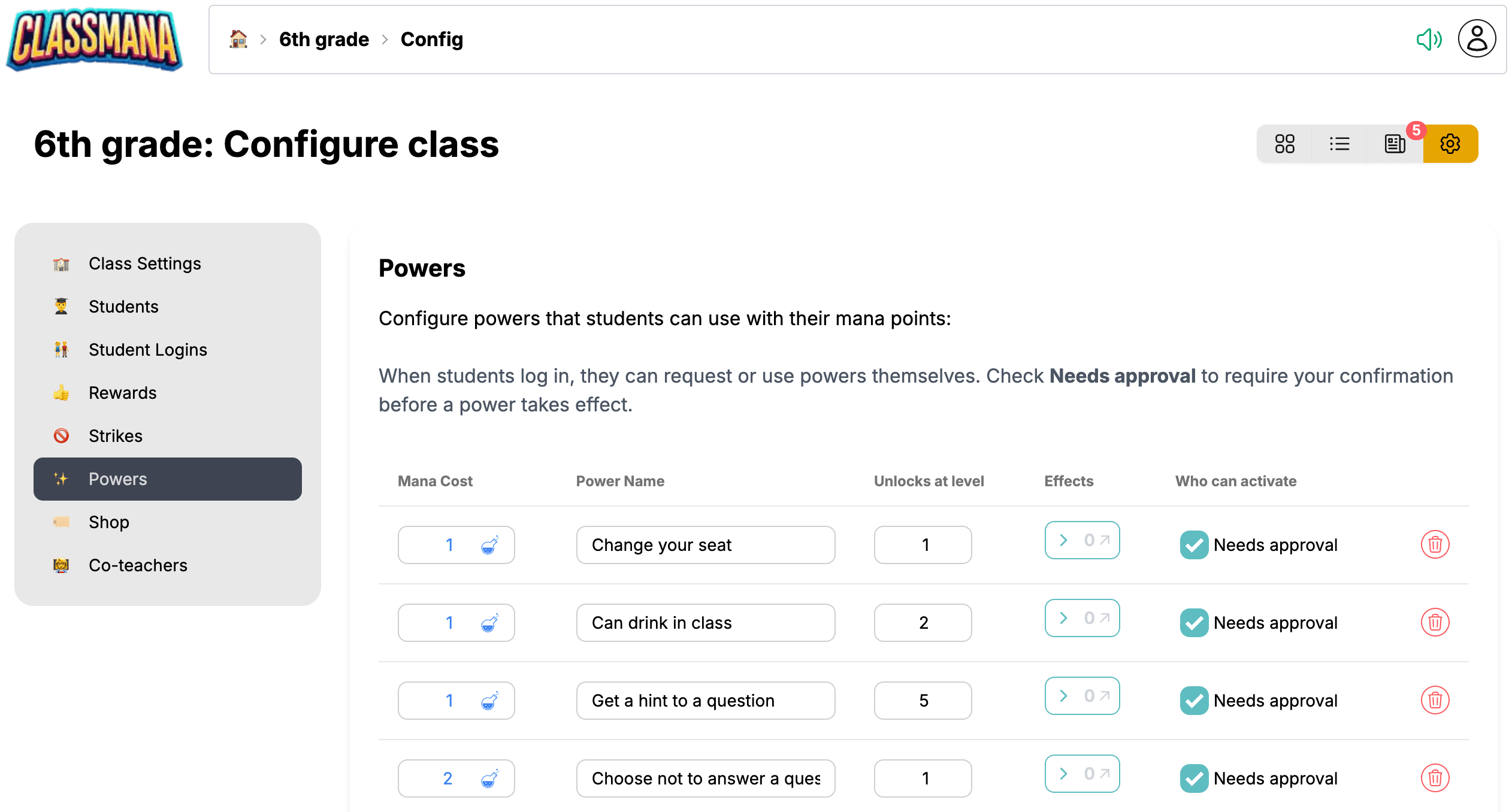
- Powers: a class starts with ten privileges, like "Change your seat", "Get an extra day for an assignment", "Get a hint to a question" and "5 minutes to do whatever you want, as long as it's quiet". You set the mana cost, can lock a power until a certain level, and choose whether it needs your approval. With teams turned on, a power can also help a teammate.
- Gold and shop: optionally, rewards also give gold, and students spend it in a class shop you stock with real-life rewards or in-game items. That's a classroom economy built in.
- Students do the bookkeeping: when students log in, they see their own Experience, mana and gold, and request powers themselves. You approve or decline. That's it.
- Surprise and whole-class rewards: Mystery Events add a random event at the start of a lesson, and Monster Battles turn a review quiz into a boss fight the whole class takes on together.
The setup is in Using Powers and
Giving Rewards.
What teachers say
These are real comments from teachers who use rewards and powers in ClassMana, quoted as they wrote them.

Volle Kanne
I particularly like the fact that
I can show even the quieter pupils that I see them and value them

Eeva Korpinen
What I love about ClassMana is how
students are eager to start the class, see the event, earn points and get to use their powers.

Teacher on Reddit
It's a way of recognizing the positive things they do and curbing the negative
without it being a big power struggle or something that they can't bounce back from.
Frequently asked questions
What are good classroom reward ideas?
Good classroom rewards are privileges, choices, responsibilities, recognition and free time: choosing a seat, picking
the review game, being the teacher's helper, a positive note home, or five minutes of free time. They cost nothing,
never run out and work at every age, as long as you match them to what your students want.
What rewards do students like most?
When students can choose, a small gift from the teacher and changing seats are the clear favorites. In 929 ClassMana
classrooms, students used each of them in nearly three out of four classes that offered them, far more than any other
privilege. Drinking in class, an extra day on an assignment, a hint and five minutes of free time come next.
What are free rewards for students?
Free rewards are privileges and experiences instead of objects: sit with a friend, a homework pass, an extra day on an
assignment, choose the class music, lunch with the teacher, a positive phone call home, or a game period for the whole
class.
What are good whole-class rewards?
Extra recess, a movie afternoon, a game period, class outside, a pajama day, music during work time or a no-homework
night. Tie them to a visible goal, like a marble jar, a mystery word or a class-vs-teacher scoreboard, so the class can
see the reward coming closer.
What rewards work for middle school students?
Middle schoolers want autonomy and time with friends: sit with a friend, choose a partner, headphones during independent
work, pick the review game, a homework pass or one extra day on an assignment. Give praise privately; public praise can
embarrass them.
What rewards work for high school students?
High school students value academic breathing room and flexibility: a late pass, dropping the lowest homework grade, a
notes card for a test, retaking one quiz question, phone time at the end of class or choosing the format of an
assignment.
How do you set up a classroom reward system?
Decide which behaviors you reward, how students earn (points, tickets or a currency), and what they can spend it on.
Make the first reward reachable within a week, build a ladder of small, medium and big rewards, and keep it fast enough
to run during your busiest week.
How often should you give classroom rewards?
Often at the start, so every student earns something in the first week, then a steady rhythm: small rewards daily,
bigger ones weekly or monthly. Specific, regular recognition matters more than the size of the reward.
Are classroom rewards bribery?
A bribe is offered to stop behavior that's already happening ("stop shouting and you get a sticker"). A reward is
promised in advance for meeting a clear expectation, and it's earned. Keep rewards predictable, tied to specific
behavior, and gradually shift from prizes to privileges and recognition.
What are non-food rewards for the classroom?
Almost every reward in this post: privileges, choices, responsibilities, recognition and time. Many schools limit food
rewards, and privileges work just as well without the allergy and nutrition questions.
Is there an app for classroom rewards?
Yes. ClassDojo and LiveSchool track behavior points, ClassBank and Critter Coin run a classroom economy, and ClassMana
turns rewards into a classroom game where students level up an avatar and spend mana on privileges. ClassMana costs $75
per year per teacher in the US (€65 in most of Europe), with a free three-week trial class.
Try it in your class
The moral of the story? The rewards students want most are rarely the ones you have to buy. Ask your class what they
want, make the first reward easy to reach, and keep the whole thing fast enough to survive your busiest week.
If you want a reward system that keeps track of itself, try ClassMana: pick the behaviors you
reward, turn the privileges your students want into powers, and let them request them from their own screen. For more
ways to keep a class engaged, see 12 Classroom Management Games.
Join the Conversation! Have thoughts or questions about this article? Join our ClassMana Facebook Community to share your ideas, ask questions, and connect with other like-minded educators!