
November 16, 2026
Classroom Consequences: A List of Logical Consequences for Misbehavior
A good classroom consequence is related to what the student did, respectful of the student, and realistic to carry out.
It is also small, predictable and over quickly, so the student can get back to learning. Below is a list of logical
consequences for the misbehavior teachers deal with most, ordered by how often it happens, plus a step-by-step hierarchy
for when a first consequence isn't enough.
I make ClassMana, a classroom game where teachers give rewards and warnings with one click.
That means I can see what teachers in real classrooms actually give warnings for, and how often they correct compared to
how often they reward. I'll use that data from 2,381 active classrooms throughout this post.
You don't need ClassMana for anything in this post. Every consequence below works with a notebook and a calm voice.
What makes a classroom consequence work
Responsive Classroom, an approach to teaching that many
schools use, describes logical consequences as respectful of the child, realistic for the child and the teacher
to carry out, and related to the behavior. A student who writes on a desk cleans the desk. A student who misuses the
class laptops loses laptop time for the rest of the lesson. The link is obvious to the student, so the consequence
teaches something.
Three more things make the difference in a real classroom:
- Predictable: students should know the consequence before they misbehave. A consequence you invent on the spot, while you're annoyed, almost always comes out bigger than the behavior deserves.
- Small and short: two minutes after class works better than a week of lost recess. Small consequences are easy to give every time, and consistency is what changes behavior.
- A way back: once the consequence is done, it's done. The student starts fresh, without a reputation that follows them for the rest of the year.
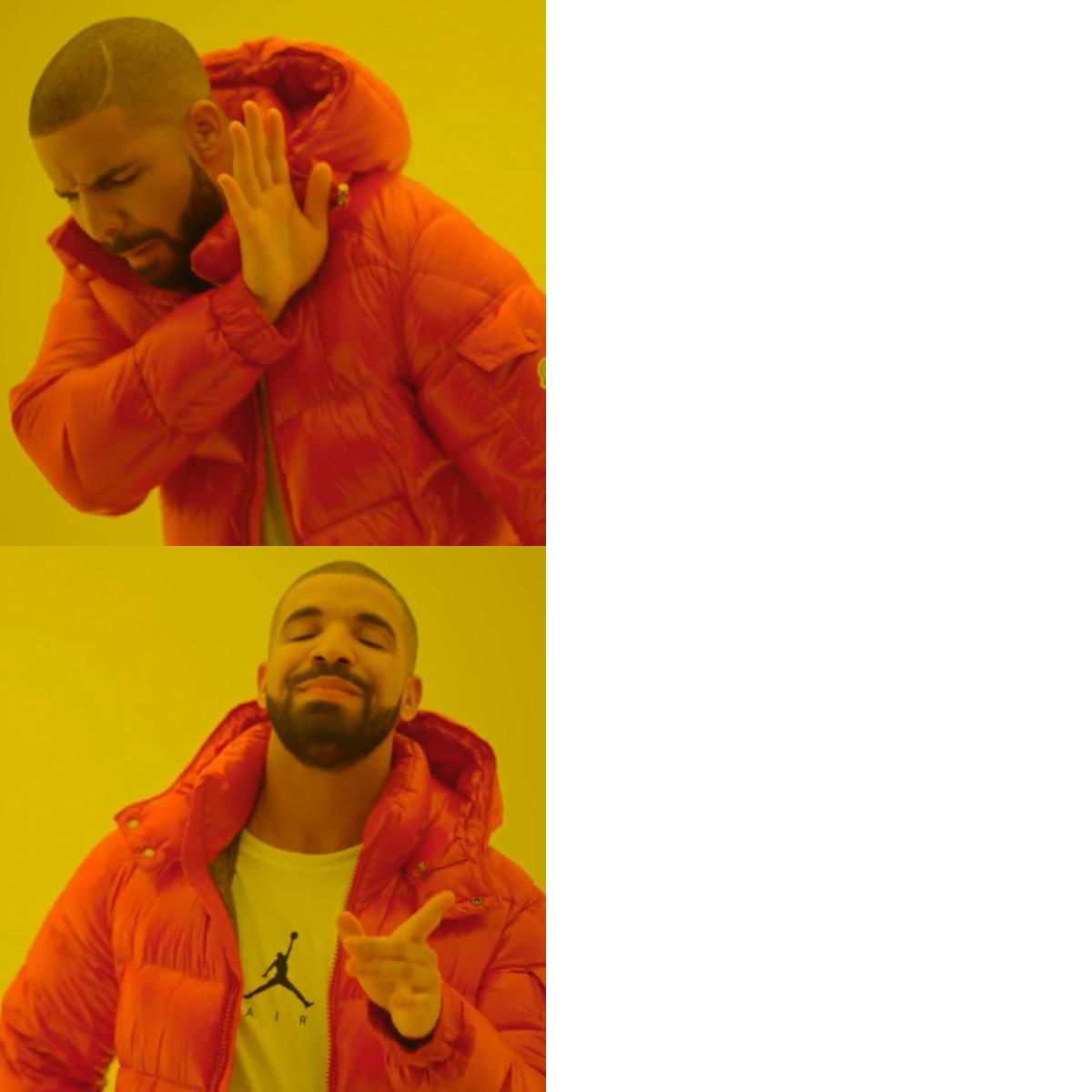
A consequence I make up while I'm angry
A consequence the class knew about in September
Logical consequences vs. punishment
The difference is the goal. Punishment tries to make the student feel bad enough to stop. A logical consequence tries to
help the student fix the problem and do better next time. Responsive Classroom puts it this way: the behavior is the
problem, not the child. Tone matters as much as the consequence itself. Cleaning a desk in silence while the teacher
glares is a punishment, even if it's related to the behavior.
Natural vs. logical consequences
A natural consequence happens without you doing anything. A student who rushes through a test gets a lower grade; a
student who forgets their coat is cold at break. A logical consequence is one you set up because the natural one is
unsafe, unfair to others or too far away. "Talking during the explanation means you won't know how to do the work" is a
natural consequence that some students are happy to accept. So you need a logical one too.
Reward much more often than you correct
Consequences only work in a classroom where good behavior gets noticed far more often than bad behavior. In the 2,381
active ClassMana classrooms I looked at, teachers gave 526,640 rewards and 73,307 warnings: about seven rewards for
every warning. Even more telling, 36% of those classrooms never gave a single warning. Their teachers ran the whole game
on rewards alone.
How I counted: an "active" classroom is a ClassMana class with at least 50 rewards, all data up to November 2026.
Warnings are grouped by their name across 31 languages, counting only names used in at least five classes. About 15% of
warnings have no name and are left out of the percentages below.
The three types of logical consequences
Responsive Classroom groups logical consequences into three types. Almost every consequence in the list below is one of
them.
- You break it, you fix it. The student repairs what they damaged: cleans the mess, redoes the work, apologizes to the classmate they hurt (when they mean it), or helps the student whose work they knocked over.
- Loss of privilege. The student loses a privilege that is connected to the behavior, for a short time: the seat next to a friend, the use of the class laptops, the chance to go first.
- Positive time-out (called "Space and Time" in middle school). The student moves to a calm spot in the room to get back in control, then returns without a lecture. Keep it short and make sure the student can still follow the lesson, because the point is to reset and rejoin.
List of consequences for misbehavior in the classroom
These are the behaviors teachers in ClassMana give warnings for, from most to least common. For each one, you'll find
consequences that are related to the behavior, and what to avoid.
Off task or not focused (39% of warnings)
Being off task is by far the most common reason for a warning. That's partly because "Not focused on the task" is one of
the default warnings in ClassMana. Even so, teachers used it in 31% of the classes that have it, about as often as
"Disrupting the classroom" (30%).
- Finish the missed work during a free moment you choose, like the last minutes of the lesson or the start of break.
- Move closer to you or away from the distraction for the rest of the lesson.
- Lose the privilege that caused the problem: the laptop goes back to the cart, the phone goes into the box.
- Set a short check-in ("Show me two finished questions in five minutes").
Avoid giving extra work as a consequence. It teaches students that work is a punishment, which is the opposite of what
you want.
Disrupting the class (24% of warnings)
Disruption is anything that stops other students from learning: noises, clowning, throwing things, starting arguments.
- A private, quiet word first. Most disruption is a bid for attention, and a public reaction gives the student exactly that.
- A positive time-out, or a seat change for the rest of the lesson.
- Make up the time the class lost, a minute or two at break or after class.
- If something was damaged or messed up, the student fixes it.
Rude or disrespectful behavior (8% of warnings)
- A private conversation after class, when you're both calm. Ask what happened before you tell them what they did.
- Repair the relationship: an apology to the person they were rude to, in a way the student chooses (said, written, in private). A forced apology in front of the class isn't sincere and the other students know it.
- For swearing or insults aimed at a classmate, a short time-out followed by a conversation.
Responding to rudeness with sarcasm or a public put-down is the one thing that reliably makes it worse.
Homework or work not done (8% of warnings)
Homework isn't a ClassMana default, yet it's one of the warnings teachers add themselves most often, in English, German,
French and Spanish.
- Do the work during a set time at school (lunch, study period, before class).
- Lose a privilege that depends on the work: no free reading time until the assignment is in.
- A short conversation to find out why. Missing homework often has a reason outside school, and a consequence won't fix that.
One of our ambassador teachers made a different choice that's worth considering. Chang Hsin Wu, a chemistry teacher in
Taiwan, gives experience for extra science tasks done on time, but no health loss when students don't finish them. He
keeps warnings for behavior in class, so homework becomes something to win instead of something to lose.
Talking out of turn or calling out (5% of warnings)
- A nonverbal cue first: a look, a hand signal, standing next to the student.
- Move the student's seat away from the person they keep talking to.
- When it's the whole class, make the noise level visible instead of correcting students one by one. A classroom noise monitor does that without you saying a word.
Unprepared or no materials (3% of warnings)
- Keep a box of spare pencils and paper, and ask for something in return until the end of the lesson, like a student ID for older students. The student gets it back when the pencil comes back.
- Write it down and only act on a pattern. Forgetting a pencil once is something every adult has done too.
Late to class (1.5% of warnings)
- Make up the time missed, minute for minute, at break or after class.
- Give late students the job of catching up on their own, without interrupting the lesson to explain again.
- Talk privately after the second or third time. A student who is always late to first period may have a problem at home that a consequence won't solve.
Giving up (3% of warnings)
"Giving up when faced with a problem" is also a ClassMana default, but teachers used it in only 11% of the classes that
have it, against about 30% for being off task or disrupting. I think the teachers are right. A student who gives up is
usually stuck, and a consequence makes a struggling student more likely to give up next time. Encourage and reward
effort instead.
A consequence hierarchy for classroom rules
A hierarchy is a fixed order of steps, so a small problem gets a small response and you don't run out of options by 10
a.m. Post it in the classroom and use the same one in every class you teach.
- Nonverbal cue: eye contact, a gesture, moving closer.
- Private reminder of the rule, in a quiet voice.
- Warning, written down or logged, so you see patterns over time.
- Logical consequence from the list above.
- Conversation after class, to agree on a plan.
- Contact home or involve a colleague, only for repeated or serious behavior.
Safety problems (fighting, bullying, a student who is a danger to others) skip straight to the end. Every school has its
own rules for those, and they come first.
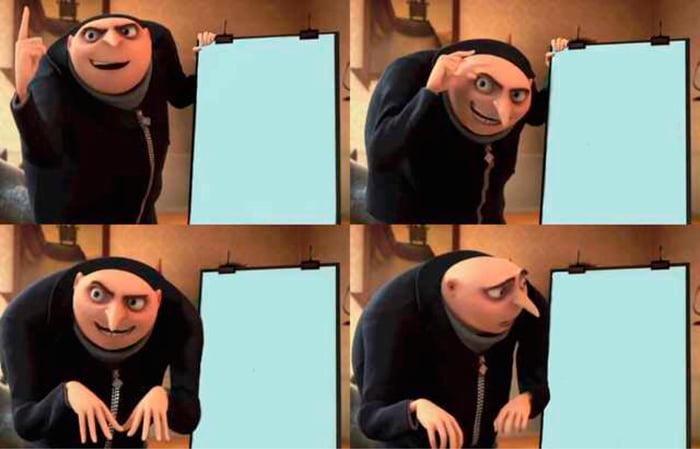
Give Liam a look
Give Liam a quiet reminder
Send Liam to the office for forgetting his pencil
Send Liam to the office for forgetting his pencil
The warnings in step 3 are where a game layer helps. In ClassMana, each warning takes away some health, and nothing else
happens until a student's health reaches zero. Then the student "falls" and faces the real consequence. Of the 1,516
active classrooms that gave warnings, 661 (44%) ever had a student fall. In the other 56%, no student ever reached that
point.
Consequences for elementary, middle and high school
The principles stay the same, but what counts as related and respectful changes with age.
- Elementary: keep consequences immediate and concrete (sit out the next game for a few minutes, clean up the mess, practice the routine again). Young children forget why a consequence happened if it comes hours later.
- Middle and high school: keep consequences private whenever you can. Correcting a teenager in front of their friends forces them to choose between you and their reputation, and they usually pick their reputation. Losing a privilege they care about (choosing their seat, listening to music during independent work) works much better than a lecture. For more on older students, see Classroom Management for Middle and High School.
Consequences to avoid
- Punishing the whole class for one student. It turns the class against that student or against you. Use whole-class goals for behavior that really is shared, like noise during group work.
- Taking back what a student earned. Points, rewards or privileges a student already earned should stay earned. Taking them away teaches students that good behavior doesn't last.
- Extra schoolwork as punishment. It links learning to punishment.
- Public behavior charts with names on them. A clip chart shows the whole class who is in trouble, which is humiliating for older students and anxious younger ones.
- Consequences that punish you too. A 30-minute detention you have to supervise is a consequence you'll stop giving.
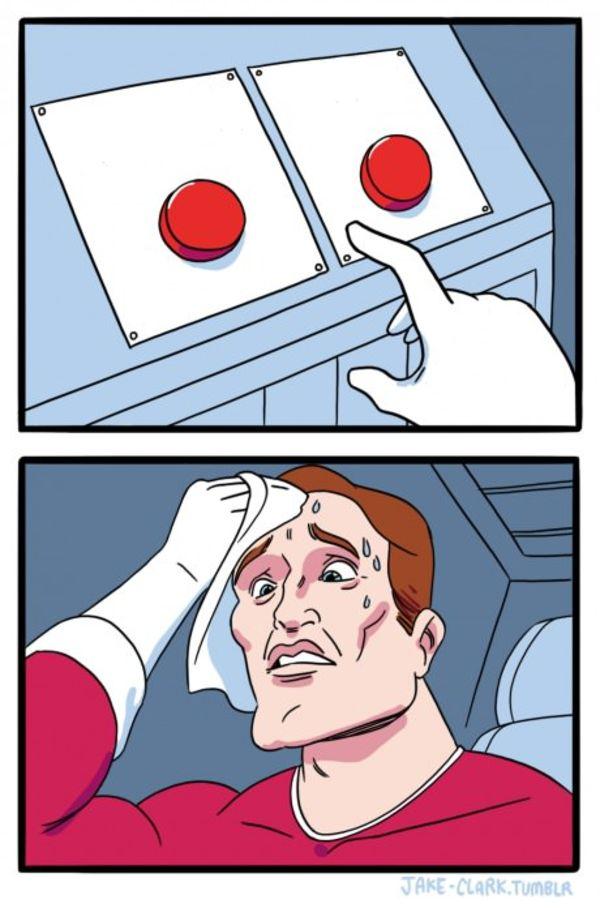
A big punishment, right now
The small consequence I planned
Me after the third interruption
How consequences work in ClassMana
This is the part where I tell you about the thing I make, so feel free to skip ahead to the FAQ.
In ClassMana, every student has a 3D avatar with experience, gold, mana and health. Teachers reward good behavior with
one click. For unwanted behavior, they give a warning that lowers the student's health; you choose the warnings and how
much health each one costs. A warning on its own has no further effect. When a student's health reaches zero, they fall:
until the teacher redeems them, they can't use their powers (privileges like choosing a seat) or buy from the class
shop, and they miss out on the class rewards after a Monster Battle.
The way back is built in. The teacher picks a redemption task that fits, like reflecting on what happened or fixing the
damage, then clicks Redeem. Teachers did that 6,424 times. Health also comes back on a schedule you set, so a bad week
doesn't follow a student around for the rest of the year. Read more in the guide to
health and warnings.
Here is how two of our ambassador teachers use it, from their interviews:

Dan Taviv
I can quickly address poor behaviour with a simple click to deduct health, and the strong reaction from other students
reinforces the consequence.
Dan teaches math and IT in South Africa (interview).

Chang-Hsin Wu
Rule violations were handled through health deductions, encouraging good habits like no eating in class, staying
seated, and no swearing.
When health reached zero, students faced fun punishments like playing truth or dare, cleaning the lab once, or going
a day without their phone.
Chang Hsin described his Classcraft classroom there, and he says he continues the same approach in ClassMana
(interview). A teacher on Reddit put the point of all this better than I can,
quoted as they wrote it:
It's a way of recognizing the positive things they do and curbing the negative without it being a big power struggle or something that they can't bounce back from.
ClassMana costs $75 per year per teacher in the US (€65 in most of Europe), and you can try the full game free for three
weeks with one class.
Frequently asked questions
What are consequences in the classroom?
Classroom consequences are the responses a teacher uses when a student breaks a class rule or expectation. Good
consequences are known in advance, related to the behavior, small enough to give every time, and followed by a fresh
start. Their goal is to help the student change the behavior.
What are logical consequences in the classroom?
Logical consequences are consequences that are related to the misbehavior, respectful of the student and realistic to
carry out. Responsive Classroom names three types: "you break it, you fix it" (repair the damage), loss of privilege
(lose a related privilege for a short time), and positive time-out (a short break to regain self-control, called "Space
and Time" in middle school).
What are examples of logical consequences?
A student who makes a mess cleans it up. A student who misuses the class laptops loses laptop time for the rest of the
lesson. A student who talks to a neighbor during instruction moves to another seat. A student who wastes class time
makes it up at break. A student who is rude to a classmate makes amends to that classmate.
What is a good list of consequences for misbehavior?
A useful list, from small to big: a nonverbal cue, a private reminder, a logged warning, a logical consequence (fix it,
lose a related privilege, or a short time-out), a conversation after class, and contact with home. Use the same list in
every class so students know what comes next.
What is the difference between punishment and consequences?
Punishment aims to make a student feel bad so they stop the behavior, and it's often unrelated to what they did. A
logical consequence is related to the behavior and aims to help the student fix the problem and learn from it. The tone
matters too: a related consequence given in anger works like a punishment.
What are natural consequences in the classroom?
Natural consequences happen on their own, without the teacher stepping in: a rushed test gets a lower grade, a lost
worksheet means doing it again. Teachers use logical consequences when the natural consequence is unsafe, affects other
students or comes too late to teach anything.
What consequences work for middle school students?
Private consequences work best for middle school students: a quiet word, a seat change, losing a privilege they care
about like choosing their seat or using music during independent work. Avoid public correction and whole-class
punishments, because peer standing matters more to teenagers than anything a teacher can take away.
Should the whole class be punished for one student's behavior?
No. Punishing the whole class for one student's behavior is unfair to the students who did nothing wrong, and it often
turns the class against that student. Keep whole-class consequences for behavior that is really shared, like the noise
level during group work.
How many warnings should a student get before a consequence?
Most teachers use two or three steps (a cue, a reminder, a warning) before a consequence for minor behavior. What
matters more than the number is that it is the same for every student and every lesson, and that students know it in
advance. Serious or unsafe behavior gets an immediate response.
Is there an app for classroom consequences?
Behavior apps like ClassDojo, LiveSchool and ClassMana let teachers log rewards and warnings in a click and see patterns
over time. In ClassMana, warnings lower a student's health in a classroom game, and the consequence comes when health
reaches zero, with a built-in way to redeem.
Try it in your class
The moral of the story? The best consequence is one your students already know about, that fits what they did, and that
ends with a fresh start. Make it small enough that you can give it every single time.
If you want a system that tracks warnings for you and gives students a way back, try ClassMana
with one of your classes. And to make sure the rewards outnumber the warnings, see
Classroom Reward Ideas: 60 Free Rewards Students Actually Want.
Join the Conversation! Have thoughts or questions about this article? Join our ClassMana Facebook Community to share your ideas, ask questions, and connect with other like-minded educators!